

If you just launched a website, you already know the frustrating truth: no one links to a site they have never heard of. Building backlinks, which are links from other websites pointing to yours, is one of the most important steps in earning search engine trust. Without them, even great content struggles to rank.
The good news is that a smart link building strategy for beginners does not require a big budget or years of experience. It requires consistency, relevance, and the right approach from day one. This guide walks you through exactly how to build backlinks for a new website, step by step, using methods that actually produce results.
Ready to learn more? Explore how our professional SEO services can help your new website earn authority and rank faster.
Why Backlinks Matter More for New Websites
Search engines use backlinks as votes of confidence. When a trusted site links to yours, it signals that your content is worth referencing. New websites start with zero domain authority, so every link you earn carries real weight early on.
Think of it this way: a new business in Raleigh needs word-of-mouth referrals before people trust it. A new website needs the same thing, just in digital form. The earlier you start building backlinks, the faster you close the gap between your site and established competitors.
Quality matters far more than quantity. One link from a respected, relevant website does more for your rankings than dozens of low-quality links from unrelated or spammy sites.
Building a Strong Site Foundation Before You Outreach
Before you ask anyone to link to your site, your site needs to be worth linking to. No one will reference a page that loads slowly, looks unfinished, or offers no real value. Start by publishing at least 5 to 10 solid pieces of content that answer real questions in your niche.
Make sure your site is technically sound. Pages should load in under three seconds, work well on mobile, and be easy to navigate. A clean internal linking structure also helps search engines understand your content hierarchy, which strengthens the value of any backlinks you earn.
Once your foundation is solid, outreach becomes far more productive. People link to resources that make them look good for sharing them.
Guest Posting as a Link Building Strategy for Beginners

Guest posting means writing an article for another website in exchange for a link back to yours. It is one of the most reliable ways to get backlinks fast when you are starting from scratch. You provide value to their audience, and they give you a contextual link in return.
Start by identifying websites in your industry that accept guest contributions. Look for blogs, trade publications, and niche communities that already publish outside authors. Pitch topics that genuinely serve their readers, not just topics that happen to let you drop a link.
How to Land Your First Guest Post
- Find the right targets: Search for “[your niche] + write for us” or “[your topic] + guest post” to find sites that already accept pitches.
- Study their content first: Read several of their posts before reaching out so your pitch fits their style and audience.
- Lead with value: Your pitch email should focus on what their readers gain, not what you want from the link.
- Deliver quality work: A well-written guest post leads to repeat opportunities and builds your reputation.
Using Business Directories and Local Citations
For new websites, especially local businesses, directory listings are a fast and legitimate way to earn early backlinks. A citation is any mention of your business name, address, and phone number on another site. Many directories also include a link to your website.
Start with well-known, high-authority directories. These include Google Business Profile, Bing Places, Yelp, and industry-specific directories relevant to your niche. Each one gives you a link and also reinforces your local relevance for location-based searches.
Keep your business information consistent across every listing. Mismatched addresses or phone numbers can confuse search engines and reduce the value of those citations.
| Link Building Method | Best For | Effort Level | Speed to First Link |
|---|---|---|---|
| Guest Posting | All niches | Medium to High | 1 to 4 weeks |
| Business Directories | Local businesses | Low | Same day to 1 week |
| Broken Link Building | Content-heavy sites | Medium | 1 to 3 weeks |
| Resource Page Outreach | Educational content | Medium | 1 to 3 weeks |
| PR and HARO Outreach | Experts and thought leaders | Medium | Varies |
Broken Link Building: A Tactical Way to Get Backlinks Fast

Broken link building means finding links on other websites that point to pages that no longer exist, then suggesting your content as a replacement. Website owners want to fix broken links because they hurt user experience. You help them solve a problem and earn a backlink in return.
Use a browser extension or SEO tool to scan relevant websites for broken outbound links. When you find one, check if you have a page that covers the same topic. If you do not, create one. Then send a polite email letting the site owner know about the broken link and offering your page as a replacement.
This method works well because it is genuinely helpful, not just self-promotional. Your success rate is much higher when you lead with the problem you are solving for them.
Resource Page Outreach for New Site Authority
Many websites maintain resource pages, which are curated lists of helpful links on a specific topic. Getting your site listed on a relevant resource page is one of the cleanest ways to earn a high-quality backlink. These pages exist in almost every industry.
Search for resource pages using queries like “[your topic] + useful resources” or “[your niche] + recommended links.” Once you find a relevant page, check whether your content fills a gap in their list. If it does, reach out and explain why your page would benefit their readers.
Keep your outreach short and specific. Mention the exact page you want them to consider, explain its value briefly, and make it easy for them to say yes. Generic mass emails rarely work for this method.
Creating Linkable Assets That Attract Backlinks Naturally
A linkable asset is a piece of content so useful that people link to it without being asked. Examples include original research, comprehensive guides, free tools, templates, infographics, and data-driven blog posts. These assets do the outreach work for you over time.
For a new site, you do not need a massive budget to create something linkable. A well-researched beginner’s guide, a free downloadable checklist, or a simple comparison of industry data can all attract natural links. The key is depth and usefulness, not production cost.
Types of Content That Earn the Most Links
- Original research or surveys: Data that does not exist anywhere else gives people a reason to cite your site.
- Comprehensive how-to guides: In-depth tutorials become reference points that other writers naturally link to.
- Free tools or calculators: Utilities people actually use get bookmarked and shared regularly.
- Comparison and roundup posts: These attract links from the brands and tools you mention, as well as from readers who share them.
- Infographics and visual data: Shareable visuals earn embeds and links from blogs that need visual content.
Using PR Outreach and Expert Quotes to Earn Editorial Links
Journalists and bloggers constantly look for expert sources to quote in their articles. When you provide a useful quote or insight, you often earn a link to your website. This type of editorial link carries high authority because it comes from a journalist’s decision, not a paid placement.
There are platforms designed specifically to connect journalists with sources. Sign up, monitor requests in your niche, and respond quickly with short, specific answers. Brevity and relevance win here. Editors do not have time to read long pitches.
Over time, positioning yourself as a credible source in your field leads to repeat mentions and growing authority. Even one or two well-placed editorial links can move the needle for a new website.
Common Link Building Mistakes New Site Owners Make
Knowing what to avoid is just as important as knowing what to do. Some link building shortcuts that seem appealing early on can actually penalize your site and set you back months.
Mistakes That Hurt More Than They Help
- Buying links in bulk: Paid link schemes violate search engine guidelines and can result in manual penalties that drop your rankings entirely.
- Over-optimizing anchor text: If every backlink uses the exact same keyword phrase as its anchor text, it looks unnatural to search engines and raises a red flag.
- Ignoring link relevance: A backlink from a completely unrelated site adds little value. Relevance between the linking site and your site matters a great deal.
- Chasing quantity over quality: One hundred low-authority links rarely outperform five links from respected, well-trafficked sites in your niche.
- Giving up too soon: Link building takes time. Results typically appear over weeks and months, not days. Consistency is the most underrated part of any strategy.
How to Track Your Backlink Progress Over Time
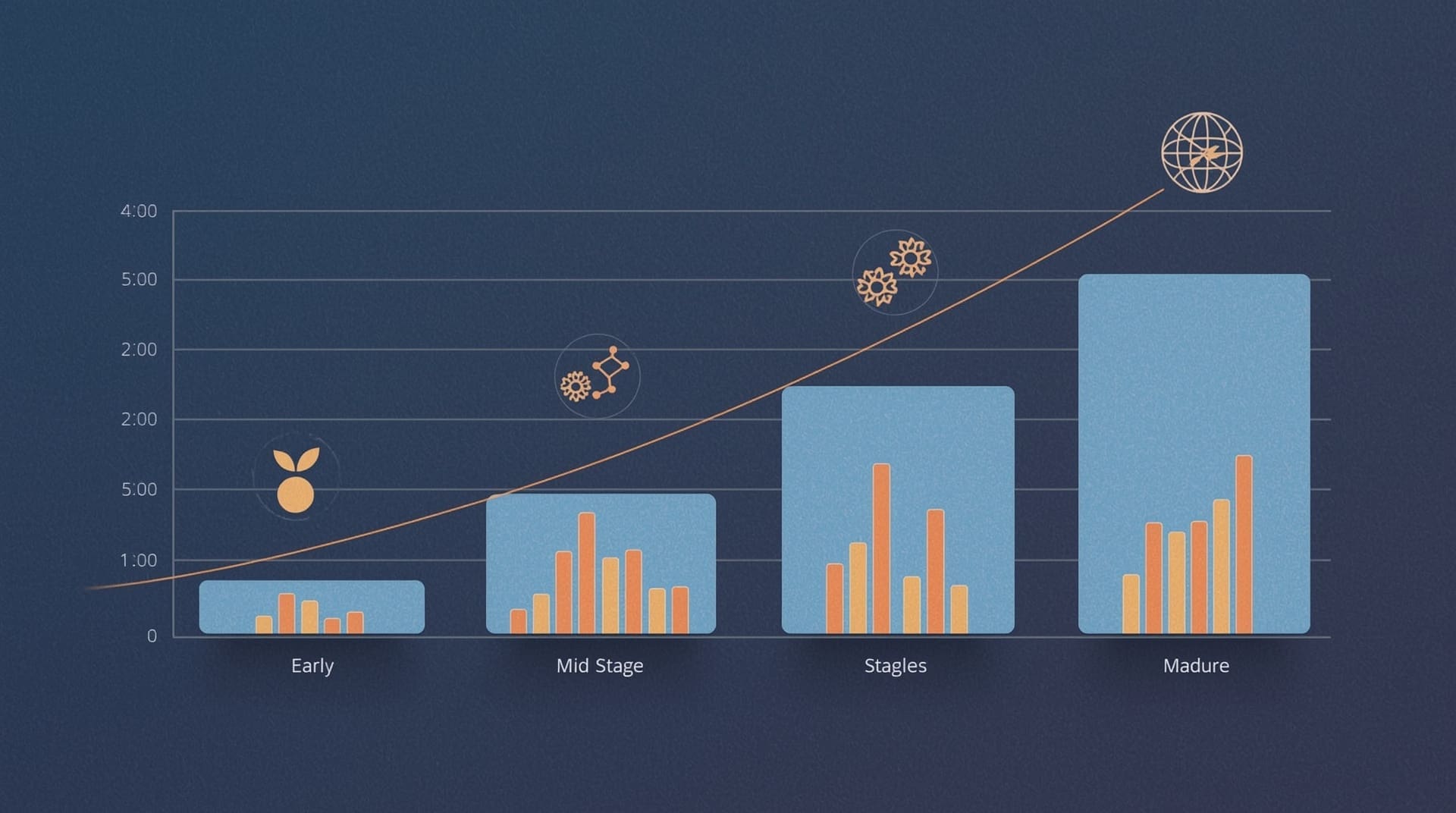
You cannot improve what you do not measure. Tracking your backlinks helps you understand which strategies are producing results and which are not. Several free and paid tools let you monitor your backlink profile with clarity.
At a minimum, check how many referring domains are linking to your site, the authority of those domains, and whether any links have been lost. A growing number of quality referring domains over time is the clearest signal that your link building strategy is working.
Set a simple monthly review habit. Log new links earned, note which outreach methods produced them, and adjust your focus toward what is working. This habit compounds over time into a strong, defensible backlink profile.
Final Thoughts on How to Build Backlinks for a New Website
Learning how to build backlinks for a new website does not require advanced skills or a large team. It requires a clear strategy, consistent effort, and a genuine commitment to creating content worth linking to. Start with the methods that match your current resources and build from there.
Guest posting, directory citations, broken link building, resource page outreach, and linkable asset creation are all proven starting points. Track what you earn, refine your approach monthly, and stay patient. The websites that win in search are almost always the ones that treat link building as a long-term investment, not a one-time task.
Frequently Asked Questions About How to Build Backlinks for a New Website
How long does it take to see results from link building?
Most new websites begin to see measurable ranking improvements within three to six months of consistent link building. Results vary based on your niche competitiveness, content quality, and the authority of the sites linking to you. Patience and consistent effort are essential in the early stages.
What is the fastest way to get backlinks for a new site?
Business directory listings are typically the fastest option since many approve your listing the same day you submit. Guest posting and broken link building can also produce results within a few weeks. Combining two or three methods at once speeds up your early momentum significantly.
How many backlinks does a new website need to rank?
There is no universal number. The right amount depends on how competitive your target keywords are. For low-competition keywords, even a handful of quality links can push you to the first page. For competitive terms, you may need dozens of strong links from relevant, authoritative domains.
Are all backlinks equally valuable?
No. A link from a high-authority, relevant website in your niche is worth far more than dozens of links from unrelated or low-quality sites. Focus on earning links that come from trusted sources whose audience actually overlaps with yours. Relevance and authority are the two most important factors.
Should I focus on link building or content creation first?
Both work together, but content must come first. You need something worth linking to before you start reaching out. Publish strong foundational content on your site, then begin link building outreach. A solid content library also makes your guest post pitches and resource page requests far more credible.